What is Cloud Storage
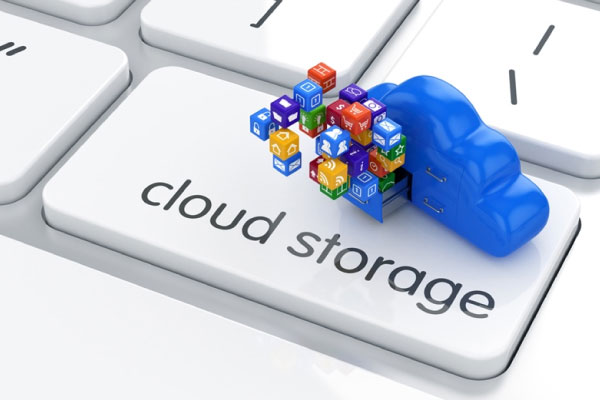
An overview of the key components of cloud storage includes how it functions, its advantages, and the many kinds of available cloud storage.
Cloud storage enables users to save files and data in a remote location which you can view via the web or perhaps a dedicated personal network connection. Information that you send off-site for storing is now the responsibility of a 3rd-party cloud operator. The operator protects, hosts, administers and manages the servers and other infrastructure, as well as ensures that you should have access to the information if you ever need it.
Cloud storage is a more cost-efficient and flexible option than storing content on storage networks or hard drives. Pc hard drives have a limited capacity for storing data. When a user’s storage space is depleted, they must send data to an external device. Organizations used to build and manage storage area networks (SANs) to store files and data. SANs are costly to build and maintain, although, as data stored expands, businesses must spend on additional infrastructure and servers to meet rising demand.
Cloud storage services offer flexibility, and this indicates you may boost capacity when your data load grows or decrease capacity as needed. If you keep data on the cloud, your company saves money by paying capacity and storage technology as a service instead of engaging in the capital expenditures of forming and sustaining in-house storage infrastructure. You just spend for the capacity that you utilize. While your expenses may rise over time to accommodate for increasing data volume, you do not need to overprovision storage infrastructures in case of an increased volume of data.
What is the mechanism behind it?
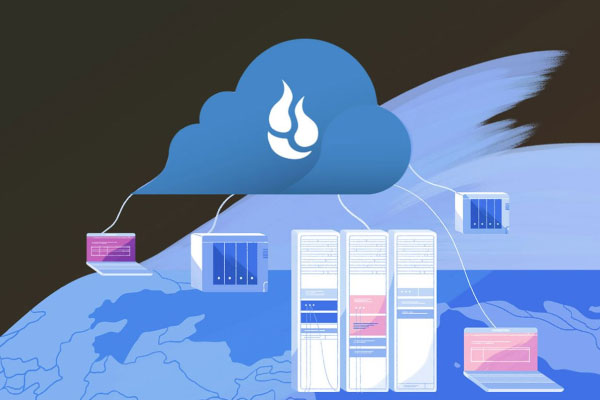
Cloud technology, such as in-house storage infrastructures, utilizes servers to save the information; however, the information is transmitted to servers located off-site. Virtual machines housed on a physical host make up the majority of the servers customers use. The supplier develops new virtualized resources to fulfill demand as your storage demands grow.
Users connect automatically to the storage cloud via the internet or a dedicated personal network and then use a web portal, website, or mobile app to do so. Depending on the extent of the cloud supplier’s operation, the server by which you interact sends the data to a pool of computers situated in one or even more data centers.
Public, Private, and hybrid clouds all offer cloud storage.
Public Cloud Storage: Users connect to cloud storage maintained by a cloud provider and used by other businesses via the internet. Cloud providers usually provide their services on almost every kind of device, including computers and cellphones, and they allow users to maximize or minimize as needed.
Private storage Cloud: Private storage cloud solutions are similar to public cloud storage, but they are located inside your network and use hardware resources to generate occurrences of virtual servers to expand capacity. Users can either manage an on-premise personal cloud or hire a cloud storage company to create a specialized cloud infrastructure that they can access via a secure link. Banks and retail businesses may prefer private cloud storage because of the sensitive quality of the information they handle and keep.
Hybrid Storage cloud: This architecture mixes public and private cloud aspects, allowing businesses to choose which information to keep in which cloud. For example, heavily regulated information that requires tight replication and archiving is best stored in a private cloud. However, some confidential information (such as email that does not include company secrets) can be hosted in the public cloud. Hybrid clouds are used by some businesses to augment their internal memory infrastructures with public storage clouds.
Storage in the cloud for businesses
Cloud services are accessible for about any organization, from sole proprietorships to major corporations.
Cloud storage may make logical sense if you own a small company and do not have the means or abilities to manage storage on your own. Cloud technology may also allow you to plan your finances by making storage expenses predictable and allowing you to scale as the company grows.
User may need to upload thousands of GBs of data for storing on a routine basis if he works for a larger organization (for instance, financial services, manufacturing organization, or a retail business with dozens of sites). In such situations, a user should engage with a reputable cloud storage company that can manage the user’s data. Users may be capable of negotiating unique contracts with suppliers to get the greatest value in some instances.
Security
Customers would like to ensure that their information is secure from all kinds of cyber threats using the most up-to-date ways. Cloud storage security is a major worry, particularly if the company manages sensitive information such as medical records and credit card numbers. Multi-layer security systems, such as content and email filtering, endpoint protection, and threat analysis, as well as best practices such as regular updates and patches, are required. Users will also require clear authentication and access procedures.
Access management, authentication mechanisms, and data encryption are all standard security features offered by most cloud storage platforms. When it comes to secret personnel records, company information, and intellectual property, making ensuring these safeguards are in place is critical. If the user’s data is subject to legal compliance, you should double-check that the chosen supplier conforms with all applicable requirements.
Data is exposed to security concerns wherever it travels. You are both responsible for safeguarding data on its way to the cloud. Companies can reduce threats by encrypting transmitted data and connecting to cloud storage providers over private network connections (rather than the open network).
Backup
Data backup is just as critical as data security. Businesses must back up their information so that they might retrieve copies of documents and apps if data is lost due to cybercrime, natural catastrophe, or a human mistake, and to avoid business interruptions.
Information recovery and backup services on the cloud have been popular from the beginning of cloud-based solutions. You can use the service over a private connection or an open internet, just like cloud storage.