Does Medicare Cover for Walk-In Bathtubs?
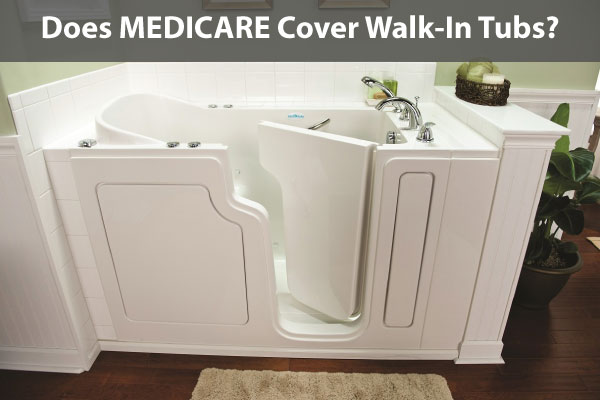
The advantages, financial support, and information whether Medicare help covers the cost of walk-in bathtubs for the elderly will be addressed in this article. With old age, come different types of problems, you become weak and are unable to control yourself, you might need a wheelchair to walk around. Similar to walking anyone would want to take a shower at some point. The older the person is, that much is difficult for them to take a shower, today we will talk about walk-in tubs for senior citizens, its advantages and other information related to Medicare.
Walk-in tubs being rock-hard, with catering to budgets. Let’s see whether walk-in tubs are being paid for by Medicare for seniors.
Usually, every person wishes to have the best quality in these tubs for the elderly. These are more essential aids to more exact and safer bath time. Slipping and falling in bathtubs causes profound complexities, particularly for all of those who have balance problems.
It is evident from studies that most older adults fall during bath, and about half of them are unable to control themselves.
Are Walk-In-Tubs Covered by Medicare?
Walk-in-tubs are the way to go to avoid falling and slipping in the bathtub. Unfortunately, they are not as durable as they should be for seniors by Medicare. Anyone can utilize these tubs like blood monitors, wheelchairs, and nebulizers. Neither they pay nor contribute to its cost. However, Medicare guarantees compensation for payment and installment, but its success can not be guaranteed.
People wonder that Medicare covers hospital beds, but in the case of walk-in-tub, they say no. Hospital beds are for everyone, but walk-in-tubs are only for seniors who need care and help. Suppose an exceptional case where original Medicare may go for financial assistance. In that case, that person will have to provide a medical report on why they sought a walk-in-tub.
Before purchasing a tub or anything, it is necessary to think of your pocket.
Medicaid’s in 2023 for Walk-In-Tubs
For 2023, Medicare is planning to offer additional and non-additional healthcare, along with financial assistance for purchasing and installing these tubs for seniors.
Getting Medicare Repayment for A Walk-In Tub
Claiming insurance, there are some complications, but these complications may not happen in some conditions.
Part B Coverage
However, having Medicare’s both coverages (A and B) want a walk-in-tub, then you must present a physician’s prescription first. The details of your medical situation must be mentioned in the medication. Also, this should be written that these tubs can recover your state.
The purchase should be made with a supplier that have Medicare’s participant’s number. After purchase is made, submit the invoice for repayment. Though a successful refund is not guaranteed, your only cost is that of prints and stamp price.
How to Become a Beneficiary?
For becoming a beneficiary for walk-in-tubs, you must present your medical examination history or a prescription from your physician, which shows your need and a genuine reason for having this equipment.
Consider These Things:
Preparing all necessary papers does not guarantee compensation from Medicare. You are advised to be ready for the cost by yourself.
Medicare Advantage Plan’s Coverage
There are so many plans which may cover walk-in-tubs. Part C of Medicare Advantage is another option for getting original Medicare. You can purchase the walk-in-tub from any private company. It is necessary to contact directly to ask about coverage and repayment.
Necessity of Getting Prescription from a Doctor
The first thing you need is a physician’s prescription. Secondly, there may be a chance of no refund from Medicare, so first see if you can actually afford the cost of the tub. You are also advised to have an extra budget of 1000$, which may be spent on removing and repairing the old tub.
Other Possibilities to Lessen Charges of Walk-In-Tubs For Pensioners
Walk-In-Tubs Cost for Seniors
Typically, walk-in-tubs costs $2,000 to $5,000, whereas walk-in-tub with wheelchair cost double. Material and company also matter in price. Installation costs ranging anywhere from $500 to $5,000. It would help if you also kept in mind Medicare walk-in tube is durable
1. Medicaid
You may get financial support in purchasing and installation if you are eligible for Medicaid. You can get many statements from local home exchange experts. Considering your expenses, it is better to have a free installment quote.
2. Grants
US Department of Agriculture assists rural and people with low income in making home modifications for elders. Walk-in-tub is also included. For this, you have to access to USDA’s local service centers.
Veteran Benefits
This department also assists financially in buying and installing the best quality walk-in tub for elders. They offer;
Grants for Home Modification
Disabled due to aging and military services are eligible for this grant.
3. Veterans Directed Home and Community-Base Services (VA-HCBS)
Members of the Medicaid waivers program can get flexible amounts to spend on their services and supplies.
VA Attendance, Aid, Housebound, Along with Other Pensions
No limitations in these pensions, these pensions can be utilized in purchasing and installing walk-in-tubs. These are unreimbursed medical expenses that are deducted from income.
HCBS (Home And Community-Based Services)
This facility is dependent on the state you live. People having significant cognitive and physical limitations can get such opportunities. People with substantial physical and mental limitations can get such opportunities to have served in the community.
4. Financial Assistance Programs
With some organizations costs of walk-in-tubs can be diminished for seniors. Some manufacturers offer financing, that can change over a vast installment pattern into a monthly bill instead of fortnightly—frequently arranged repayments of anywhere in a minimal range of installments.
If your plan on saving some cash for upcoming medicinal expenditures, you should apply for a Health savings account (HSA) for Retirement.
5. Reduction in Tax for Walk-In Tubs
A walk-in tub is for medical purposes, so it is exempted from tax. If someone wants to install it, they should apply for expense claim.
Medicare Takeaways:
- Doesn’t cover the walk-in-tub.
- Some advantage plans can assist you in your refund or cover part of your purchase.
- Many organizations and communities can provide grants to assist you with walk-in-tub.